Independent fight guide · Editorial matchup analysis · Published 18 Oct 2026 Sources

ANALYSIS Pressure · Timing · Adjustments

Dubois vs Wardley Prediction

The Dubois vs Wardley prediction debate turns on two contrasting cases: Daniel Dubois' sustained pressure and Fabio Wardley's early counterpunching threat. This guide examines what their first meeting and the published build-up can support.

An editorial reading of pre-rematch evidence, published 18 October 2026.

More event contextRead the supporting card alongside this tactical article.

Make a bet
01 Tactical verdict

Dubois vs Wardley prediction: weighing the evidence

On a reading of the first fight alone, Dubois has the stronger argument for sustained work over an extended contest. Wardley's early success supplies the most direct challenge to that argument.
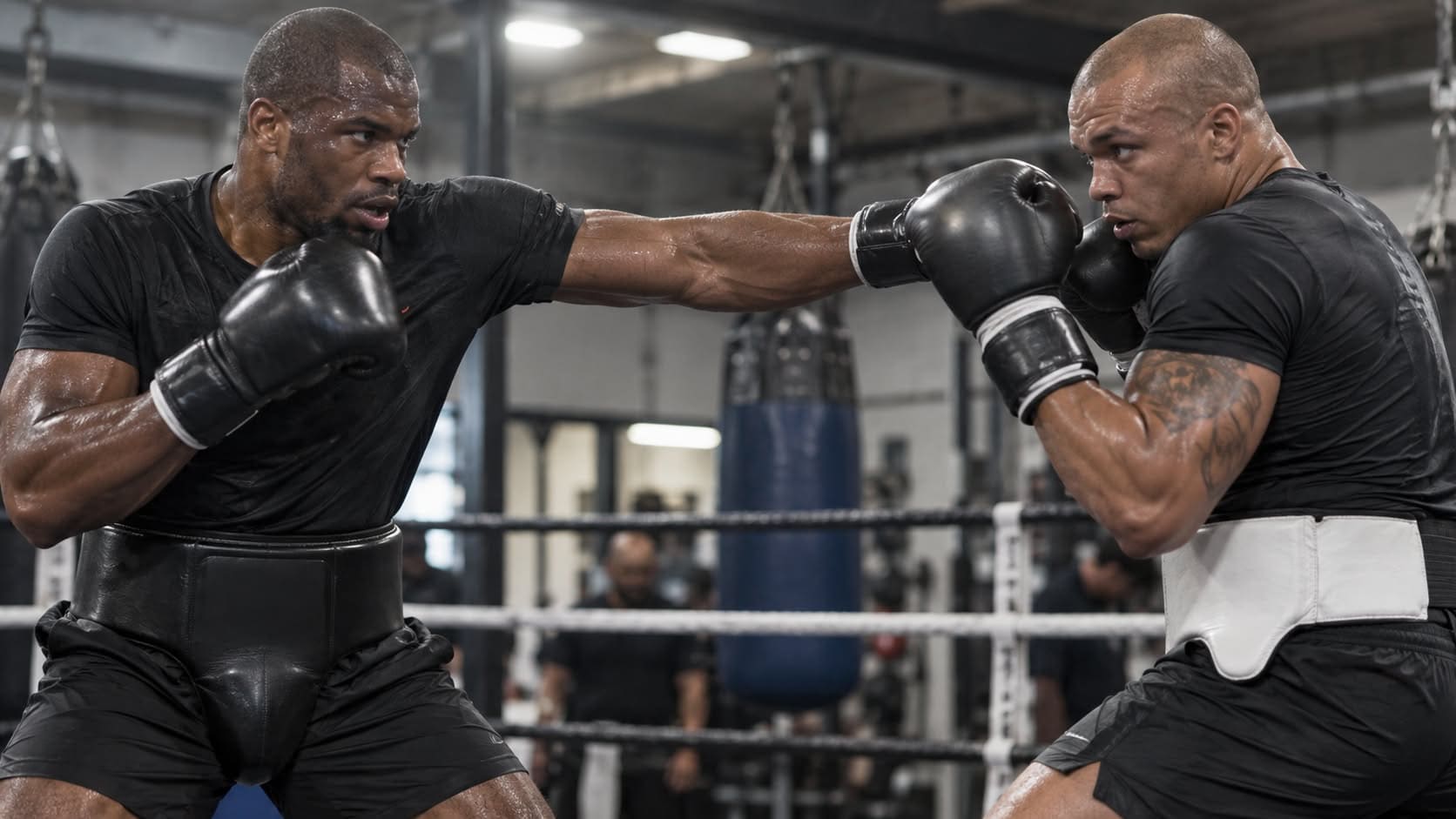
Boxers practising a jab and defensive guard in a gym
Tactical contextIllustrative sparring image accompanying the tactical discussion; not a photograph of Dubois vs Wardley.

The reason to favour the pressure-based case is specific: Dubois was able to recover from two knockdowns and turn the first meeting into a contest he controlled later. That supports an argument about recovery and repeatable pressure. The competing question is how each fighter could adjust to that experience.

Wardley's case is equally concrete. He had already demonstrated that he could hurt this opponent early. A useful analysis therefore has to consider both the threat of a sharp counter and what happens if the early breakthrough does not produce a finish.

EDITORIAL LEANDubois' sustained pressure — conditional on managing the early danger.

A tactical inference from the first meeting and the published build-up.

02 The evidence base

What the first fight actually showed

Queensberry's account of the first meeting describes two different phases. Wardley produced the early knockdowns; Dubois then recovered and established control before the late stoppage.

EARLY ROUNDS

Wardley found the openings

The promoter's account records Dubois going down in the opening seconds and again in round three. Those are concrete reasons to take Wardley's counterpunching threat seriously.

THE FIGHT DEVELOPED

Dubois changed the balance

Queensberry describes Dubois taking control from round four and referee Howard Foster intervening in round eleven. Recovery and sustained output are central to that story.

Evidence from the first meeting in May. Read the promoter's account.

03 Two routes to victory

The Dubois case and the Wardley case

DANIEL DUBOIS

Make the work repeatable

Published evidence: the first meeting provides an example of recovering from adversity and taking over as the fight develops.

Editorial interpretation: controlled entries, a consistent jab and balanced exchanges would make that pressure easier to sustain. Loading up for one decisive shot would make the approach less repeatable.

In his published build-up comments, Dubois discussed cleaner, more purposeful punching. That is evidence of an intention, rather than proof that an adjustment was successfully implemented.

Dubois' published build-up comments
FABIO WARDLEY

Make the openings count

Published evidence: the two early knockdowns establish that Wardley had found ways to hurt Dubois in the first fight.

Editorial interpretation: his case becomes stronger if he can punish predictable entries while keeping his own shape after a successful exchange. An early knockdown and a sustained winning performance are different questions.

If no early finish arrives, the next question is how to interrupt Dubois' rhythm and change the longer pattern of the contest.

04 Conditions that matter

Three questions behind the prediction

01

Can Dubois enter without giving away the same openings?

Pressure only helps if the entries leave him in a useful position. The first fight makes the opening exchanges a genuine tactical concern.

02

Can Wardley build on success without losing structure?

Finding a big moment matters. Keeping a workable plan after that moment is the second part of the argument.

03

Who can repeat effective work as the rounds accumulate?

A single dramatic exchange is easy to remember. The longer pattern of range, output and recovery can explain why a fight changes direction.

05 Quick answers

Prediction FAQ

The editorial assessment, its evidence and its publication context.

What is the Dubois vs Wardley prediction in this guide?

As a tactical reading of pre-rematch evidence, the guide leans towards Dubois' sustained pressure over an extended contest, with Wardley's early counterpunching as the central competing case. It is editorial analysis published on October 18, 2026, not a forecast recorded before the scheduled bout.

Why does the first fight matter to the analysis?

Queensberry's account records Wardley scoring two early knockdowns before Dubois took control and won by an eleventh-round stoppage. Those facts support two different tactical arguments: early danger from Wardley and recovery followed by sustained pressure from Dubois.

What is the tactical case for Wardley?

Wardley's early knockdowns in the first fight demonstrate a threat from clean counters. The editorial question is whether that success can become either a finish or a sustainable performance that interrupts Dubois' pressure.

Does a fighter's pre-fight statement prove a tactical improvement?

No. A published intention, such as Dubois discussing cleaner punching, shows an aim for the preparation. Whether it was implemented effectively requires evidence from the fight itself.

Is this page an official rematch result?

No. This page examines matchup reasoning using the first fight and published build-up material. The publication note identifies its timing and source-check context. Consult the British Boxing Board of Control's results register for an official outcome.

RINGSIDE LONDON · MATCHUP ANALYSIS

The evidence.
The competing cases.